There’s Something Inside You, It’s Hard to Explain: September 2026
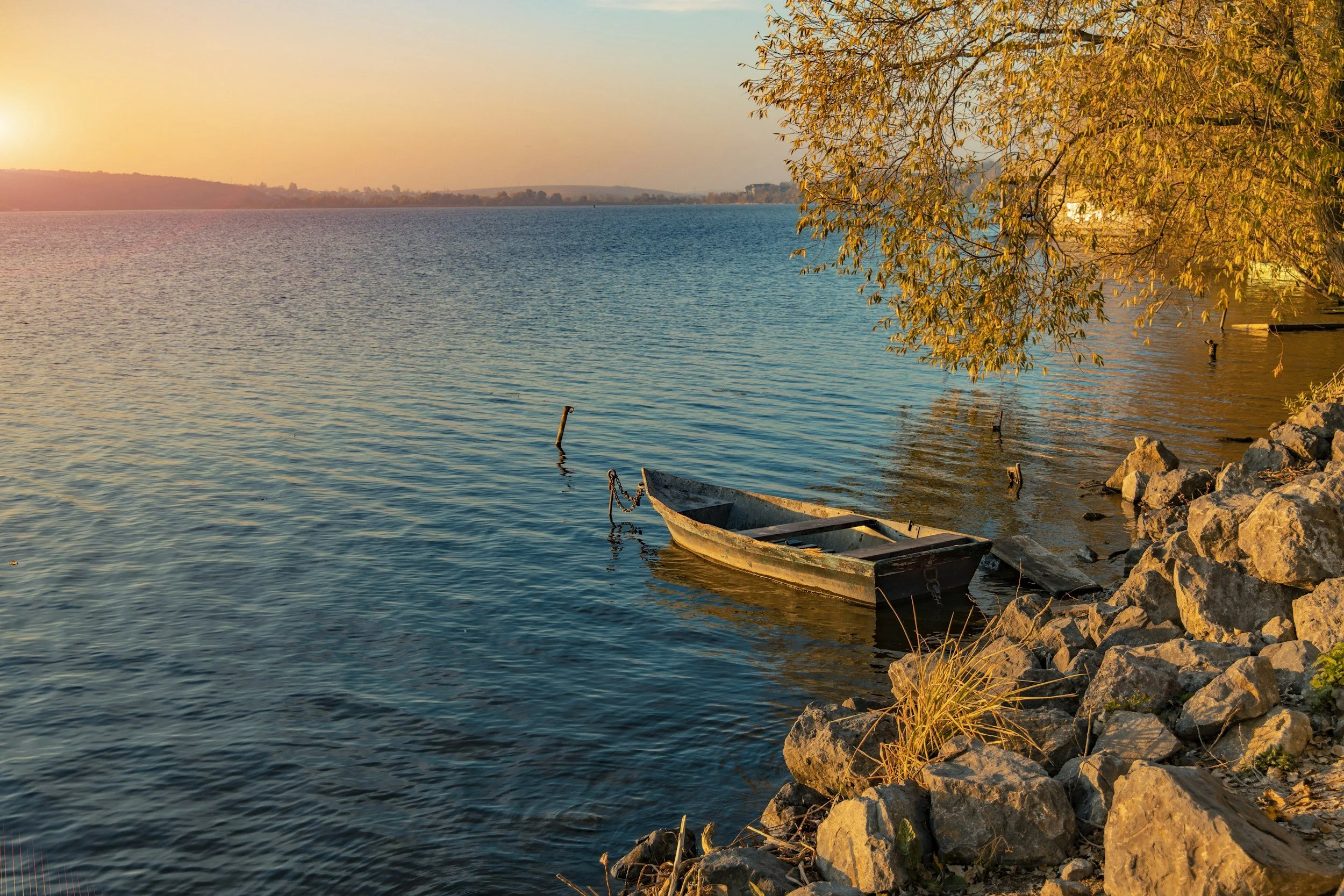
Welcome back. It’s been a minute since our mid-year listicle. The bad news is there is no good news, and the other bad news is Dolly Parton is gone. I didn’t think it would affect me as much as it has. The world became incredibly dark when Bowie died. Now we’ve lost the last lighthouse in the void, and all we have to keep us warm is the overheating batteries of our tech-salamander phones…however long that lasts, before charging them becomes a subscription service.
Or, maybe we can try to live how she did.
The Listen List
An update about what’s out now and what people around the internet are talking about
*excellent
**must-listen
June
Exit 2B by B0YG1RL & NOVAGANG - experimental hip hop / edm
*Hum of Hurt by Converge - metalcore
I Built You a Tower by Death Cab for Cutie - indie rock
If You Knew by Jaeychino - trap
**So Help Me God by Kelsey Lu - art pop
*Doctrine of Love by Jalen Ngonda - smooth soul
The Ground Above by Beth Orton - art rock
*Off Course by Osees - psychedelic rock
Marcriá by RaiNao - latin pop
**you seem pretty sad for a girl so in love by Olivia Rodrigo - pop rock
**Cry Baby by Vince Staples - political hip hop
*Magazine by YHWH Nailgun - experimental rock
July
Terra Incognita by Aksumi - post-minimalism
Emotional Junglist by Nia Archives - alt-pop
Bivabippabualukka by Sophie Birch - free folk
**Music, Fashion, Film by Charli xcx - indietronica
Renascent by The Durutti Column - ambient pop
*Dungeon Vision by Earth Tongue - heavy psych
[some amount of wingdings I refuse to copy] by Four Tet - microhouse
**new avatar by Kelela - alternative r&b
Oh Yeah? by Steve Lacey - bedroom pop
*CONFESSIONS II by Madonna - house
Role Model Hermit by mary in the junkyard - indie rock
It Is Going to Get Dark by No Cure - metalcore
*The New World by Shearwater - art pop
*AVANT NOVA EP by slayr - rage
Spontaneous Music Live by SML - nu jazz
Ever the Optimist by Trashcan Sinatras - indie pop
Florida Water Blues by Twisted Teens - slacker rock
Frozen Charlotte by Jack White - blues rock
August
…I gotta be honest, there’s so much stuff out now, I didn’t even really dent August’s list. I promise it will be in the next issue though, I swear. I love the new Chelsea Wolfe album, if that helps, and from the two songs I’ve heard from the new Phoebe Bridgers it sounds brilliant, but I didn’t even get to my boys Denzel Curry or Mastodon yet so, next time
The Rewind
A look back at a favorite from (at least five) years past
The Conquest has been on hold for a bit for our usual summer hiatus, but that break was extended for my usual reason… I didn’t know what to write about.
Then suddenly, in a airplane from Dallas back to Baltimore, I saw it, and heard it. An artwork that I absolutely adore and lines up with the all-important 5-year-multiple.
A large part of why I do these rewinds is because I want an excuse to talk about something that I love that maybe others don’t. Sometimes that’s because they’ve underappreciated it, or gave in to popular groaning when a closer examination was warranted. Other times it’s because they simply didn’t even know or remember it existed.
I do make it a point to pass over writing about a lot of things because they are already WAY TOO popular. For example, you will never see a Rewind of Dark Side of the Moon or OK Computer or Remain in Light here. Everyone already knows those are some of the best albums ever made, there’s no need for me to add my two cents.
But, the things I haven’t written about yet that meet the “you might not remember but this is fantastic actually” category are…starting to run thin. Which is why I’ve decided to take this Rewind in a slightly different direction, to a different medium…
…film
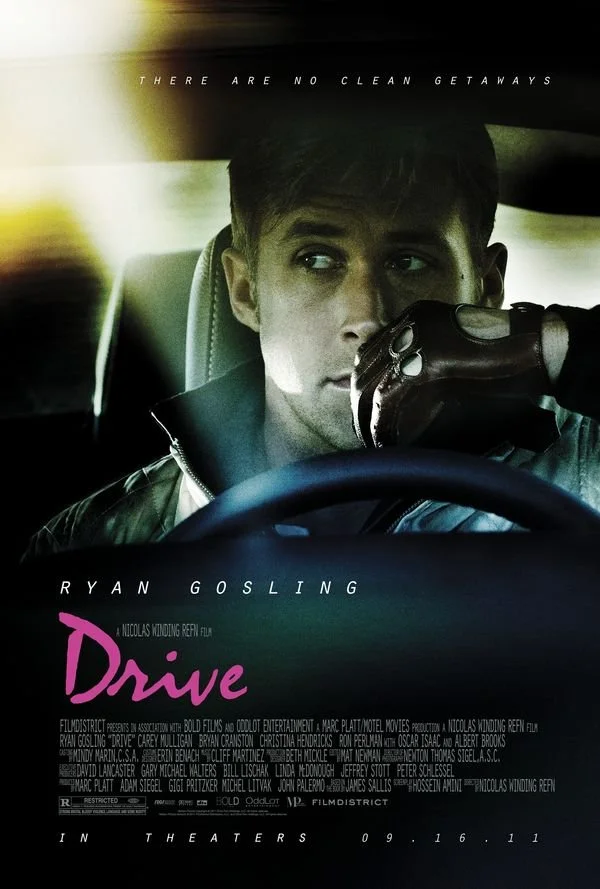
Drive
Nicolas Winding Refn
Neo-Noir | 2011
Now, I’ve stated several times that I don’t really have the critical vernacular to dissect film. Brilliant critics, from the traditional press to YouTube (especially the channel LikeStoriesOfOld, who gave me the idea for this piece) see and innately pick up on things I just cannot articulate until they give me the words to do so. Themes, symbolism, homages to classic film, why certain lights and angles and lenses mean something: those are things I understand and feel while watching a movie, but cannot explain myself apart from “movie good.”
So, sorry to inform you, but that will remain the case here. Drive is one of the very best movies I have ever seen. I saw it in the theater multiple times, dragging family and friends, kicking and screaming, in with me to watch a Palme d’Or-nominated art film that vaguely alludes to car chases more than it actually shows them between bursts of hyper-violence and an extreme lack of dialogue. This movie is on my personal Mount Rushmore of films and—not to repeat myself, but—I. Can’t. Tell. You. Why.
I can give you the same platitudes I give most movies I like: the cinematography is beautiful, the story is compelling, “it’s soooo goooood,” something something neon. I just know that when I saw this movie the first time, it made me feel a cinema high I’ve been chasing ever since, and not even Nolan or Villeneuve have gotten me back.
What I do have the vernacular for is one of the things inherent to enjoying Drive, equally important to its stunning visuals, immaculate direction, and crisp editing—the soundtrack.
The one thing even the disappointed Fast & Furious bros agreed on (they really hated this movie) was that the soundtrack was tight. Absolutely perfect needle drops to Chromatics, Desire, and the late Kavinsky mix effortlessly with Cliff Martinez’s original score. The cinema high I experienced seeing Drive for the first time was matched only by my newfound addiction to synthwave.
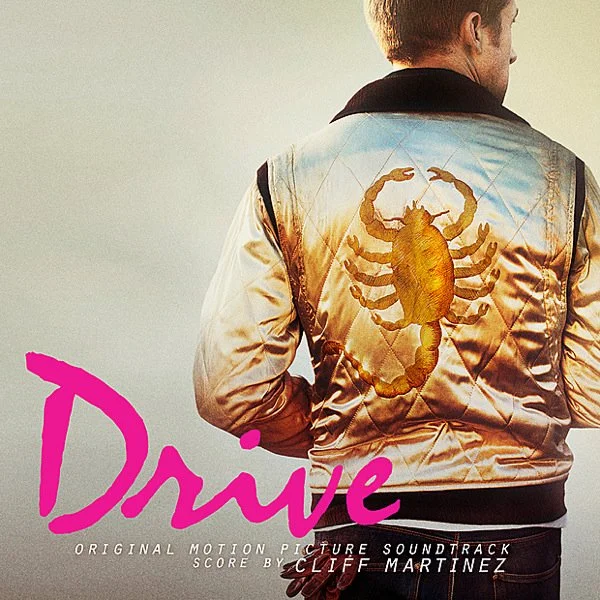
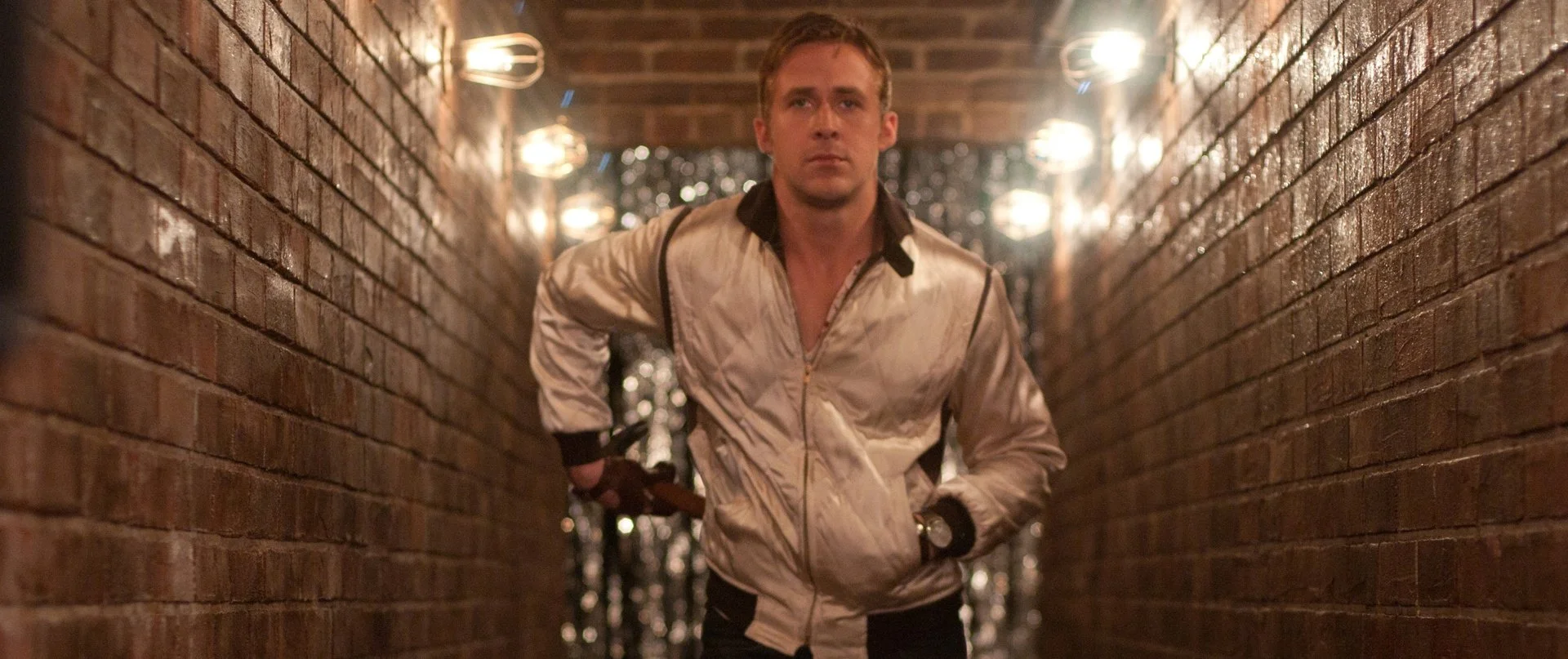
Oh dear Allfather, the Wanderer, Father of the Slain, God of Victory, the Much-Wise, grant me that jacket
In the mid-2000’s, electro-house artists began using, bigger, bolder synth patches with massive retro feel. Combining their music with heavily grained film and neon-soaked visuals, they birthed synthwave, an audio-visual genre if ever there was one.
Kavinsky, featured very prominently in—and heavily inspiring the remainder of—this soundtrack, was one of the genre’s early adopters and greatest proponents. His popularity within the dance and electronic scenes inspired wave upon wave of artist to find their own sub-genre. Johnny Jewel combined the new sound with a heavily Moroder-influenced Italo-disco sound to reform and reinvent former post-punk band Chromatics and found Desire…both of whom are featured on this soundtrack.
The late-2000’s and early-2010’s were lousy with synthwave bands, and I loved them all: the lo-fi chillwave of Neon Indian, HOME, and Washed Out; the gritty darksynth of Carpenter Brut, Perturbator, and Mega Drive; every band remotely touched by the Italians Do It Better Label like Chromatics, Glass Candy, and Symmetry.
When Drive was released in 2011, it was peak synthwave. The visuals: highly stylized, saturated colors, heavy film grain, that GORGEOUS title sequence with the LA lights so high contrast you can barely make out the buildings…
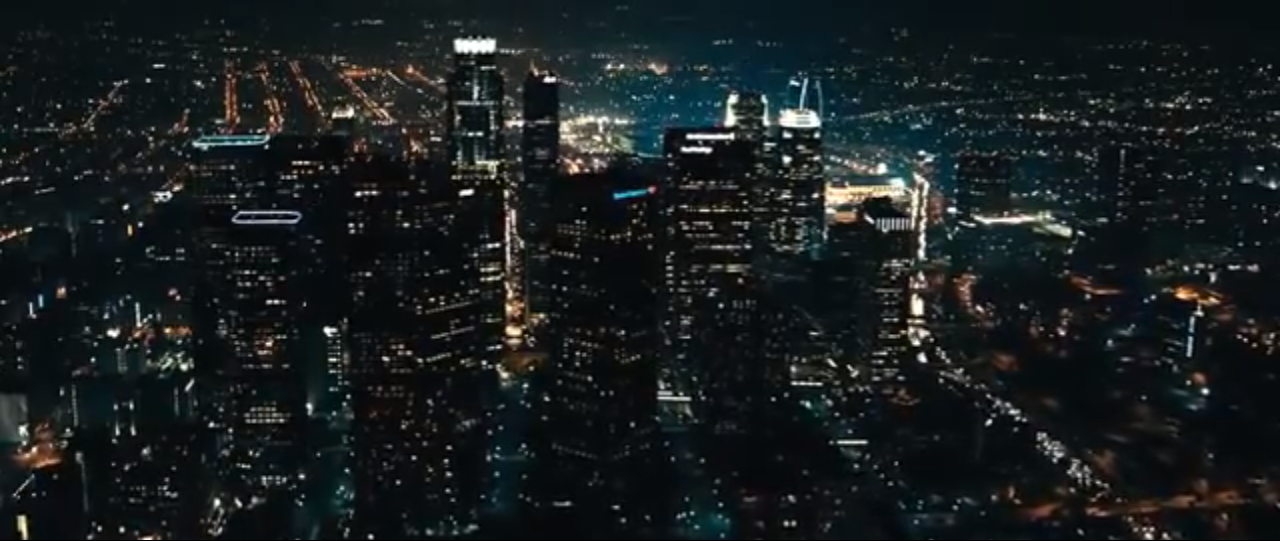
…it was all set exactly right for the maximum synthwave push. That it was followed a year later by Hotline Miami—a neon-soaked PC game that takes place in the 80’s, whose own soundtrack could have a Rewind—meant that this was synthwave’s high water mark.
I want to talk about that title sequence more, but we’ll need to set it up first. The film begins with the most intense car-based action of the entire movie. Ryan Gosling’s character, who remains nameless, even proper noun-less save for a scant few mentions as “the driver” or “kid,” is the getaway driver for what is most likely a small-time smash and grab. The job goes mediocre, but his waiting, and his driving are backed by Chromatics’ “Tick of the Clock,” a ten-minute, anxiety-inducing instrumental that could have easily scored the bomb defusal scenes in The Hurt Locker.
This INTENSE nail-biter runs the entire length of the song, around ten minutes, and that ever-propulsive, ever-panicking sound is only occasionally relieved by the diegetic sounds of car engines, police sirens, and the driver’s brilliantly synched Clippers-game escape. That high tension is held even as he walks out of the conflict unscathed until…
That song. THE song. Kavisnky’s “Nightcall” blares as we see the backlit grandeur of downtown LA at night. The titles splash across in hot magenta script as we helicopter our way closer to cars on the streets, the signs lit in their electric glory, the hills shimmering in the distance. It becomes obvious that Refn directed this sequence to match “Nightcall” exactly, and, had royalty issues prevented it, the whole film might have been a disaster. To my point, we cut to the driver exactly as a synth stabs the opening of the chorus, with Lovefoxxx singing “there’s something inside you / It’s hard to explain / They’re talking about you boy / But you’re still the same.” Or, later, when a snare hit cut to silence perfectly matches the driver turning off his apartment light and the screen cutting to black. Rest in peace, Kavinsky, for if nothing else, you are responsible for the greatest title sequence I have ever seen.
The remaining synthwave tracks on the score are also perfectly matched to their scenes. The driver treats his neighbor and forbidden love interest, Irene, and her young son, Benicio, to a day out driving and picnicking to the sounds of College and Electric Youth’s “A Real Hero,” a gauzy chillwave track that matches the golden-hour sunlight filling every frame of the sequence.
Later, Irene’s delinquent husband, Standard, hosts a homecoming party to the Italo-disco sounds of Desire’s “Under Your Spell.” The thudding bass and drums match the party atmosphere well, but Johnny Jewel’s plaintive synthesizers and Megan Louise’s vocals more perfectly fit the driver, who must helplessly listen to the family he can never have celebrate through the thin apartment walls: “I don’t eat, I don’t sleep / I do nothing but think of you.”
What makes the soundtrack doubly amazing is Cliff Martinez, the composer given the unenviable task of creating a score that would match both the intensity and tone of the film, while also needing to mix seamlessly between those other artists’ needle drops. And good gods does he succeed.
The beautiful longing evoked by singing water glasses on “I Drive,” the propulsive danger of “Kick Your Teeth,” the high-tension dance of “Bride of Deluxe,” Martinez’s creation feels more real, more immediate than any of the myriad imitators that followed in the remaining decade. He is able to elicit such melodrama with “Wrong Floor” as our romantic leads kiss one last time in the elevator before… well if you haven’t seen the memes, I won’t spoil it here; or the tragedy oozing from “My Name On a Car” as the driver says goodbye to his oldest (and only) friend before blazing down the path of revenge.
The team of Refn and Martinez have surely made one of the best marriages of song and film, at least on this side of the millennium. The result of that marriage, Drive, is a singular achievement that could only exist at exactly the time it did. And I mean that seriously: months after filming wrapped, LA began replacing all their halogen street lights with LEDs, so even a year later and the movie literally would not have looked the same.
The same goes for the music too. After the previously mentioned Hotline Miami was released in 2012, the scene was so oversaturated and tired of synthwave that, now, the only trace left of it in the mainstream is Kavinsky’s “Nightcall” and Washed Out’s theme song for Portlandia (those are both all-timer tracks though, obviously).
Then there was me, diving headfirst into synthwave and Italo-disco for years beyond the cultural zeitgeist, digging through discount bins for After Dark compilation CD’s and forcing partygoers at our house to listen to Glass Candy. Ranting on any social media platform and message board I could about the travesty that was Johnny Jewel scrapping Chromatics’ Dear Tommy. That I was blessed to finally see Desire and Carpenter Brut open for HEALTH several months back was a real treat in an otherwise dismal first half of 2026.
I don’t soon expect to attempt another film/score Rewind. This might be one of the longest I’ve written and, as I’ve stated, I didn’t even really touch on the film part, so you’ll just have to watch it yourself, a diversion I highly recommend. But dabbling into the film discussion at all has really reinforced in me the old idea that music is everywhere, you just have to listen.
(A combined full OST for Drive doesn’t exist, it’s split into an EP of the various contributing artists and a separate album of Cliff Martinez’s score. As such, I’ve combined them for you in the following playlist)
Now Playing
A quick look at my personal favorite recent release
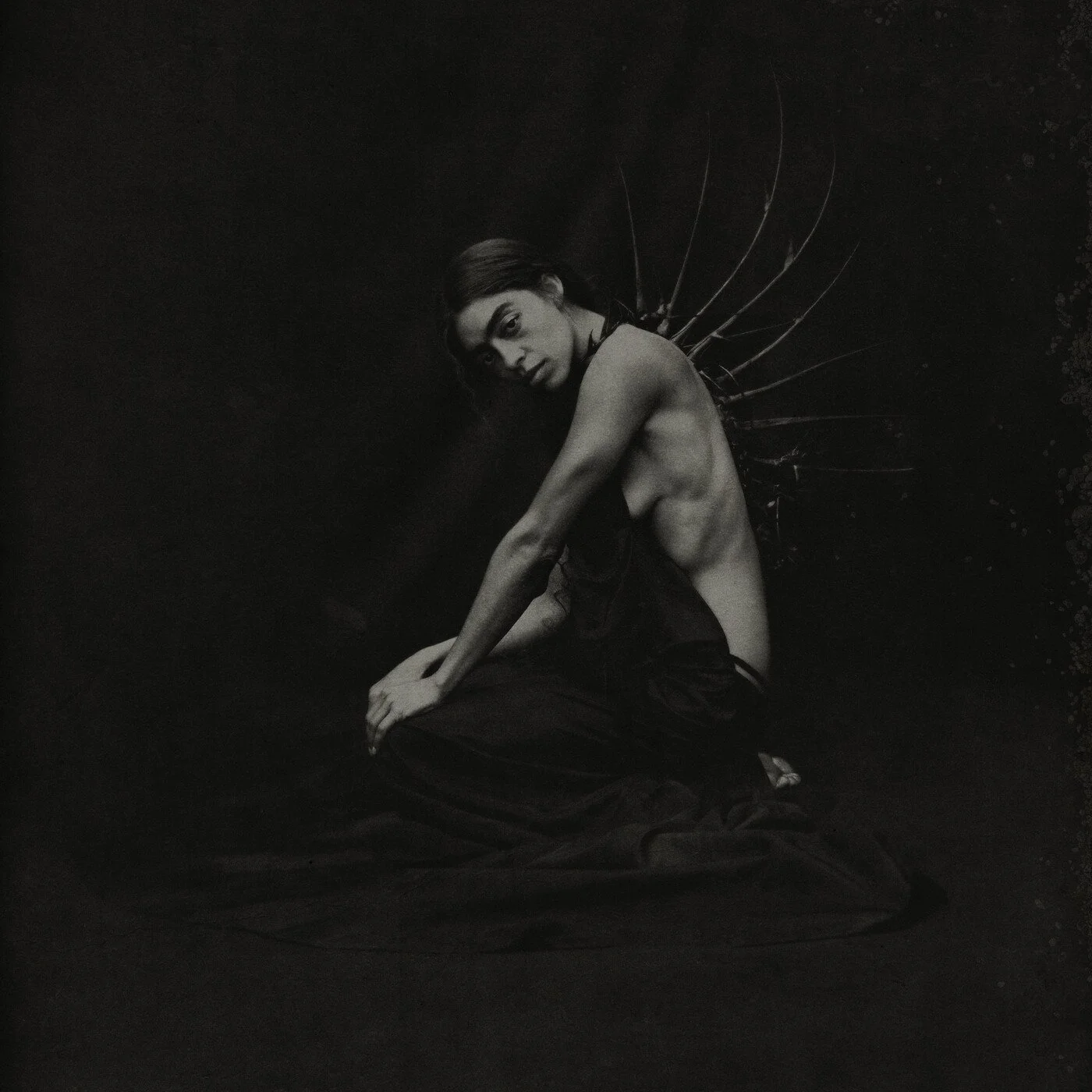
So Help Me God
Kelsey Lu
Art Pop
Kelsey Lu has been a quiet obsession of mine since I heard her debut album (and last album prior to this release), Blood, in … dear Odin, 2019. That album was a quiet, cello-driven, baroque pop record, full of lush sting arrangements that filled every aural space like slipping into a perfectly prepared sauna, the fizz of evaporation surrounding your ears.
In particular, her cover of 10cc’s “I’m Not in Love” left me dumbstruck. It is a straightforward, almost one-to-one rendition, but where the original is pleading and emotional, desperate to make you believe they’re over it, Lu’s version is softly detached, resigned to the relationship’s finality—a nihilistic shrug that conceals a deep sadness. It’s one of the best covers of any song I’ve heard, probably top five for me.
The wait until this, her second album, would release, was almost unbearable, to the point where I had kind of given up. Lu has, in the meantime, written and produced a couple film scores to varied critical response, and I began to think that, maybe, coupled with her classical training, that meant she was a one-and-done.
I am happy to say that while I did love her debut, So Help Me God easily surpasses that album; no sophomore slump here. The release sees Lu embrace more pop-forward elements and wield them expertly to produce some of the best art pop tracks of the year.
“Portrait of a Lady on Fire” is an expansive orchestral piece, winding and weaving its way through Lu’s gorgeously constructed soundscapes. Distant backing vocals ground you before Lu’s main vocals implore us to pay close attention and let her speak her truth: “Like weeds in the field, we yearn for connection / But a deafening divide leaves me unprotected / Unprotected, how can we learn / How can we yearn?”
Then there’s maybe my favorite song of the year so far, “Running to Pain.” The track begins with low strings and Lu’s voice creating beautiful vocal harmonies with itself. Surely the setup for another fantastic baroque pop track, right? No, the drum machine busts out and turntabled loops back her tale of constantly going back to a love that hurts her every time. At times the strings and drums drop to reveal a beautiful choir of voices, then return again in waves and cycles, much like Lu’s story.
There’s so much more along the journey that is So Help Me God, but I don’t have the words, nor would I want to spoil all the twists and turns. Please, please go and listen to this at your first chance.
Up Next
What’s coming out in the next few weeks?
Radical Fame by Actress
Prima by ADÉLA
Ride Lonesome by Beck
Anatomy of a Brief Romance by Bloc Party
Violins by Blondshell
Who Loves the Sun by Chat Pile
Apples for Isaac by Echo & The Bunnymen
Dream House by Empress Of
Decay (supposedly the final album) by Godflesh
Chopping Mountain by Ibibio Sound Machine
Day and Night by Carly Ray Jepsen
I Wrote You a Letter by M83
Mule by Orville Peck
Hotel Usona by Protomartyr
Hemispheres by Sleep
Danceteria (supposedly the final album) by Soft Cell
Estrus by Tove Lo
Well, what releases did I miss? What’s coming out soon that you can’t wait for?
And as always, fuck ICE, release the Epstein files, and happy listening!